Shipping from China to South Africa
Costs, Transit Times and Customs (2026 Guide)
Most first-time importers price a shipment the same way: they take the supplier’s quote, add what a forwarder told them last year, and hope the difference is small. It rarely is.
The freight is only one of six lines that decide what your goods cost by the time they reach your door in South Africa. This guide covers all six — real rate ranges for air and sea, honest door-to-door transit times, how SARS calculates duty and VAT, and the mistakes that quietly add 20–40% to a shipment.
What shipping from China to South Africa actually costs
Rates depend on three things: how heavy your cargo is, how much space it occupies, and what it is. Branded goods and electronics cost more per kilogram than unbranded general cargo, because they move on a different channel with more paperwork.
| Method | Typical rate | Door-to-door transit | Best for |
|---|---|---|---|
| Express courier (under 21 kg) | Quoted per shipment | 7–15 days | Samples, urgent parcels, documents |
| Air freight (from 21 kg) | from $12.66/kg | 15–30 days | Higher-value goods, restocking, time-sensitive orders |
| Sea freight, charged by kg (min 25 kg) | from $4.99/kg | 60–90 days | General goods, textiles, high-volume low-value cargo |
| Sea freight, charged by CBM (min 1 CBM) | Quoted per CBM | 60–90 days | Bulky light cargo: furniture, plastics, packaging |
| Full container 20GP / 40HQ | Quoted per container | 45–75 days | Orders above roughly 15 CBM |
| Trucking, luggage, oversized cargo | Quoted per shipment | Depends on route | Personal effects, one-off projects |
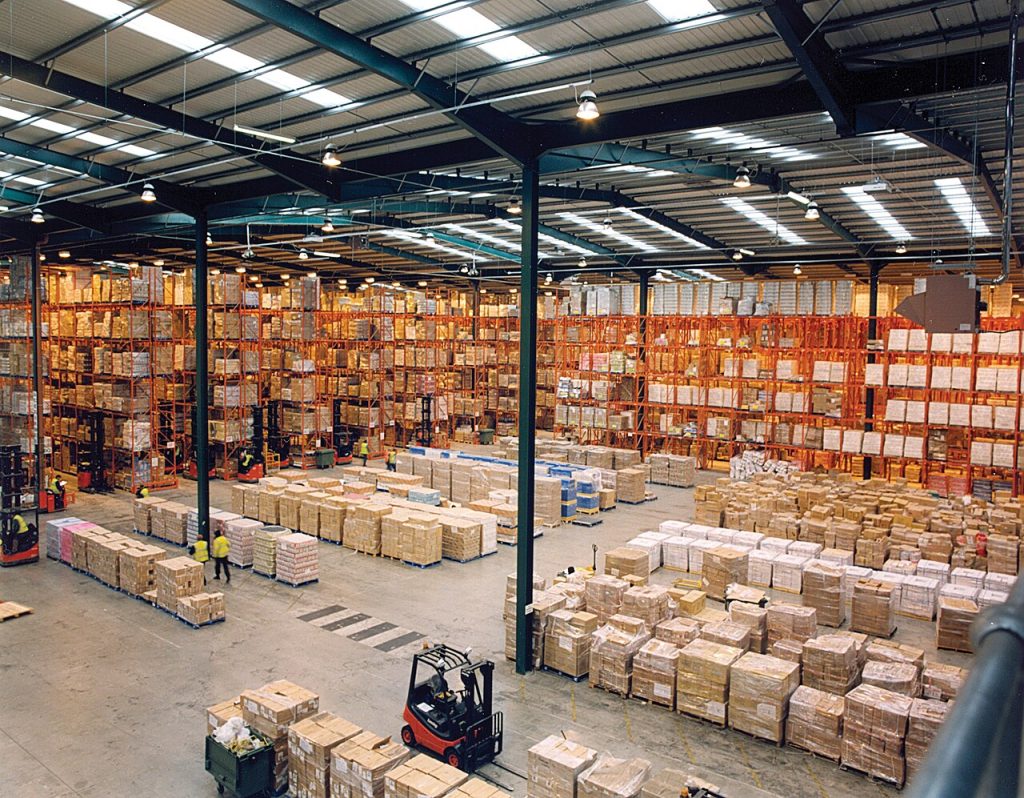
Those numbers are not the whole invoice, and this is the part most importers get wrong. A supplier’s CIF price stops at the port. Your real cost also includes destination port charges, the clearing agent, import duty, VAT and inland delivery — together they can add a third or more to the figure you were quoted.
Our rates are door to door. Product cost, inland collection in China, export clearance, international freight, customs clearance at destination, the taxes we pay on your behalf and delivery to your address are quoted as separate lines, so you can see what each one costs.
What “15–30 days” actually means?
The flight from China to Johannesburg takes a day. The sailing takes three to five weeks. Neither is your transit time, because your shipment also waits at both ends.
| Stage | Air freight | Sea freight |
|---|---|---|
| Goods reach our warehouse in China | 2–7 days | 3–10 days |
| Consolidation and export clearance | 2–5 days | 3–7 days |
| International transit | 2–5 days | 25–45 days |
| Arrival, customs clearance and release | 5–12 days | 7–15 days |
| Delivery to your address in South Africa | 2–5 days | 3–7 days |
| Realistic total | 15–30 days | 60–90 days |
Two things move those numbers: how early the goods reach our warehouse before a sailing or a flight closes, and how long SARS takes to release the container. Peak season — roughly October to January — adds days at both ends.
If your shipment has a deadline, tell us the deadline, not just the cargo. We will tell you whether it is achievable and which route leaves you the most margin for error.
Customs in South Africa: what you actually pay?
Import duty and VAT are set by SARS, not by your forwarder, and they are the lines most often left out of a quote.
Customs value. SARS works from the FOB value of the goods and adds a standard 10% uplift to approximate freight and insurance, unless the actual costs can be proven. Duty is calculated on that value.
Duty rate. This is set by the HS code of your product and varies widely — many consumer goods fall in the 15–30% range, while some categories are duty free. Classification is what decides it, which is why a vague description on the invoice can produce two different assessments for the same shipment.
VAT. 15% on the duty-paid value. If you are VAT-registered, your import documentation has to be in your own name for you to claim it back — one of the reasons we always tell you who appears as the importer of record.
Permits and approvals. Some goods need an ITAC import permit, and electrical or electronic products may need a letter of authority from the NRCS. We flag this before you order, not after the container arrives.
Counterfeit and brand-name goods. South African customs is strict here, and the consequences fall on the importer: goods are confiscated and penalties can apply. If your product carries a brand logo, tell us before it ships so we can confirm the channel. We explained what happens when this goes wrong in our note on air freight warehouse rules.
Duty and VAT are quoted as separate lines rather than folded into the freight rate, so you can price your product properly before you commit.
Which Incoterm to use for South Africa?
DDP is the most common arrangement we see into South Africa, simply because it hands the whole import process to one party. It works — as long as you know who appears as the importer of record and what value was declared.
FOB is usually the better choice once you import regularly: you choose the forwarder, you see the real freight number, and the import documentation ends up in your own name so the VAT is recoverable. If you already have a supplier quoting CIF, send it to us and we will show you what it does not include.
We compared all four terms line by line in FOB vs CIF vs DDP: Which Incoterm Should You Actually Choose?.
What a proper quote should contain?
If a quote does not show these seven lines separately, it is not a price — it is an estimate with a label on it.
- The goods, and whether the price is ex-works or FOB
- Inland transport to our warehouse in China
- Export clearance and documentation
- International freight, to a port or to your address
- Insurance, and at what level of cover
- Import duty and VAT, at the declared value
- Destination handling, customs clearance and delivery
Ask what happens if the container sits at the port for a week, and who pays the storage. That is the most common surprise on a first shipment.
Six mistakes that cost first-time importers money?
Declaring a lower value to reduce duty. The saving is yours for a few weeks. The risk sits with whoever holds the goods when customs reviews it, and that is you.
Skipping the pre-shipment check. Problems caught at our warehouse in China are still the supplier’s responsibility. Problems caught in Johannesburg are yours.
Paying for air because the packaging is bulky. Air freight charges on the space cargo occupies. A supplier whose unit price is 8% cheaper but whose cartons are 20% bulkier can cost you more than you saved.
Shipping small orders alone. Two cartons sent on their own carry the same fixed costs as a pallet. Consolidating with other cargo is usually the cheapest single change you can make to a small shipment.
Mixing brand-name goods into a general shipment. One item can hold an entire consignment at customs, and the storage clock starts immediately.
Never asking for a spec. A quote without agreed packaging, quantity and lead time is a number that cannot be delivered.
Worked example: 200 kg of general goods to Johannesburg
Here is the same shipment quoted two ways, using our published rates.
| Air freight | Sea freight | |
|---|---|---|
| Chargeable weight | 200 kg | 200 kg |
| Freight rate | $12.66/kg | $4.99/kg |
| Freight subtotal | $2,532 | $998 |
| Export clearance, consolidation and documentation | Included | Included |
| Destination clearance and inland delivery | Included | Included |
| Import duty and VAT | Billed separately at assessed value | Billed separately at assessed value |
| Door-to-door transit | 15–30 days | 60–90 days |
The difference is roughly $1,500 on the freight line alone. If the goods are not time-sensitive, that difference is usually the whole margin on the order — which is why the honest answer to “air or sea?” is a question first: when do you need to sell it?
Sea freight also carries a minimum charge of 25 kg, so very small shipments are quoted per kilogram and the total is confirmed at the warehouse once the cartons are measured.

How we handle a China to South Africa shipment?
One contact, start to finish. You message one team. We are not handing you off between a sourcing agent, a forwarder and a clearing agent.
Quoted before you commit. Send a photo, a link or a description and the city we are delivering to. You get a costed plan — goods, freight, clearance and delivery — usually within 24 hours, with no obligation to proceed.
Checked before it leaves China. We receive the goods, verify quantity and condition, and consolidate several suppliers into one shipment.
Cleared and delivered at your end. We handle the export declaration, the booking, the customs clearance in South Africa and the delivery to your door.
Small orders are quoted properly. A first order of 50 units or two cartons is quoted at the real per-kilogram cost of shipping a small volume, so you know where you stand and at what volume it gets cheaper.
Start with a number rather than a conversation: use our shipping cost calculator for an estimate, see how our rates are built, check the regions we ship from China, or read the products we can and cannot carry.
Frequently asked questions
How much does it cost to ship 100 kg from China to South Africa?
At our published sea rate of $4.99/kg, 100 kg of general goods works out at roughly $500 in freight, plus import duty and VAT assessed by SARS at the declared value. By air at $12.66/kg the same 100 kg is about $1,266. Sea freight also carries a minimum charge, so a 100 kg shipment paid by weight still covers at least 25 kg, and the exact figure depends on what the goods are and which city we deliver to.
How long does sea freight from China to South Africa take?
Plan on 60–90 days door to door. Three to five weeks of that is the sailing itself; the rest is consolidation in China, export clearance, customs release at the South African port and inland delivery. Air freight is 15–30 days door to door, and express courier on small parcels is 7–15 days.
Do I need an import permit or a customs code in South Africa?
If you import regularly, you need to be registered with SARS as an importer and hold a customs code — clearance cannot be done correctly without it. Certain product categories also require an ITAC import permit, and electrical goods may need an NRCS letter of authority. We confirm what your specific product needs before you place the order.
Is DDP better than FOB for shipping to South Africa?
For a first, small order, DDP is often the simpler choice because one party handles everything. Once you import regularly, FOB usually wins: you choose the forwarder, see the actual freight cost, and your import documents are issued in your own name so the VAT is recoverable. Either way, know who the importer of record is.
Can you ship branded goods, electronics or phones to South Africa?
Some products can move, some cannot, and the rules differ by channel. General branded goods normally travel by sea rather than air. Electronics above certain power ratings, and anything containing batteries, need specific handling. Counterfeit goods are confiscated and penalised, so we always ask you to send photos before shipping — it protects your cargo and your money.
What is the smallest shipment you accept?
There is no minimum shipment size. We quote small first orders at the real per-kilogram cost so you can see what a test order costs before you scale it. Factory minimum order quantities are separate and depend on the product — we will tell you when they apply and what can be negotiated.
Tell us what you are shipping
Send us the product, the weight or volume, and the city in South Africa it needs to reach. We will come back with a door-to-door cost, the rate we can hold and the transit time we will actually commit to — usually within 24 hours, with no obligation to move anything with us.